2026 is finally upon us. Look at the luxury fashion world and you can see so many companies manufacturing leather products in France leading the charge in ethical, luxurious fashion. Those days of one-size-fits-all products are now gone; consumers today crave personalization, sustainability and versatility, powered by the latest technologies. With global awareness of ethical sourcing at an all-time high, find out how the best manufacturers are adapting to changing consumer preferences this year.
Using sustainable and traceable materials
These days, shoppers demand transparency. You can see so many of them prioritizing eco-friendly products. A lot of French manufacturers are already moving away from traditional calfskin to bio-based leathers. They are using fabrics derived from:
- Mushrooms,
- Pineapples, and
- Recycled ocean plastics
Many top brands producing French Leather Goods are scaling up vegetable-tanned leathers using olive waste and plant dyes. This approach significantly reduces water usage. They are also using blockchain for full supply-chain traceability, ensuring that consumers can easily trace the journey of their bags and other items. This commitment to transparency appeals strongly to Gen Z’s ethical ethos, and suppliers of French Leather Goods know this well.
Prioritizing customization and personalization
In 2026, mass production feels dated. And why not? So many French artisans are using AI-driven design tools for bespoke items. Buyers can get the chance to choose leathers, engravings, and modular attachments while shopping online. Top manufacturers are using 3D printing for custom hardware while smaller names are offering virtual reality try-ons.
This hyper-personalization boosts loyalty. Customers can get the chance to co-create items that reflect their lifestyles.
Integrating smart technology for functionality
These days, tech-savvy consumers are not content with usual stuffs. They want leather goods that do not just serve aesthetic purposes. It is easy to see so many French manufacturers embedding NFC chips and GPS trackers into wallets and totes. This allows easy digital integration.
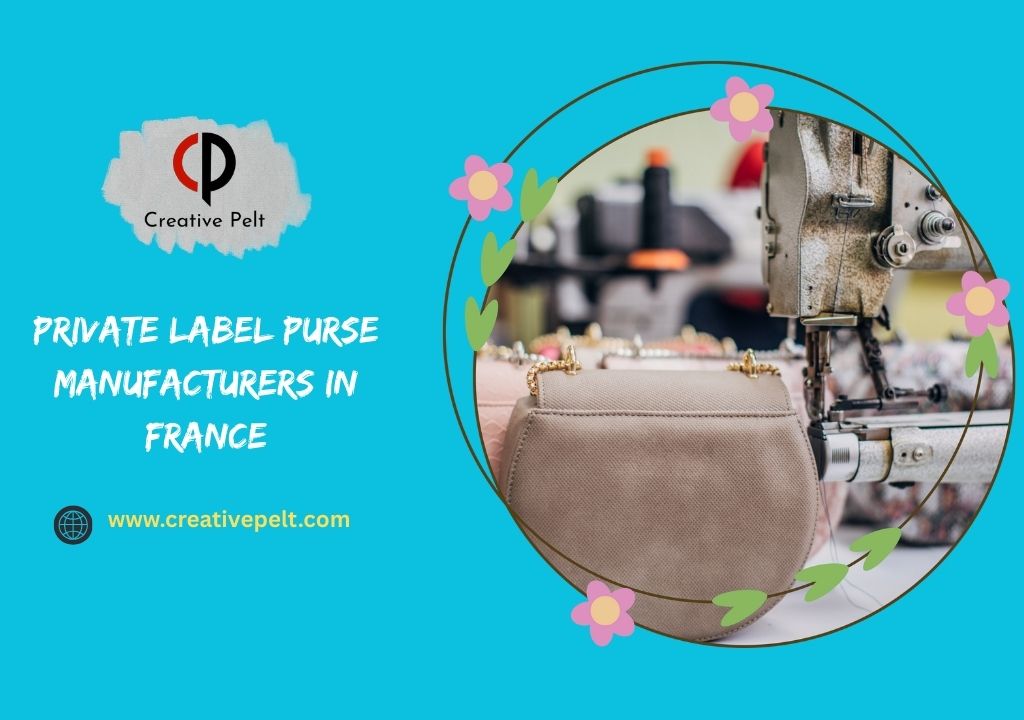
The 2026 collections of many brands now come with solar-powered charging pockets. Antimicrobial coatings and biometric locks are also being used by many private label purse manufacturers in France.
Focusing on ethical labor and artisan revival
In any genuine leather factory in France, skilled craftsmanship and fair wages are now the norms. Top French brands are training young artisans in heritage techniques. Fair living wages are also being ensured. Certifications like France Terre Textile guarantee ethical production. You can see hand-piquage and other age-old techniques being used. These ensure that cultural heritage is valued more over disposable trends.
Expanding vegan and upcycled collections
These days, a sizable number of luxury buyers are avoiding animal products. There is a surge in veganism. You can see a lot of manufacturers perfecting plant-leather hybrids that mimic the suppleness of full-grain cowhide, using cactus or apple waste. Such collections attract eco-conscious millennials who love sustainability along with high-end style. Zero-waste initiatives are being used to upcycle deadstock leather into limited-edition pieces, reducing wastage in the process.
It is easy to see how French leather goods manufacturers are adapting as well as redefining luxury for 2026. They are setting the gold standard in sustainable sophistication.